Best gardeners for Pinner High Street front gardens: a practical local guide
If you are looking for the best gardeners for Pinner High Street front gardens, you are probably after more than a quick tidy-up. You want someone who understands small urban spaces, street-facing planting, first impressions, and the slightly awkward realities of working neatly in a busy part of Pinner. A front garden on or near High Street needs a different touch from a back garden. It has to look good from the pavement, cope with footfall, and stay manageable through the seasons. Not glamorous, maybe, but very real.
This guide breaks down what to look for, how front garden work is usually approached, what good gardeners actually do, and how to choose a service that feels reliable rather than risky. You will also find a practical checklist, a comparison table, and a few grounded tips that make day-to-day decisions much easier. Let's face it, when the front of the house looks right, everything else feels a bit more settled.
Why Best gardeners for Pinner High Street front gardens Matters
A front garden is not just decoration. On a street like Pinner High Street, it is part of how a home meets the world. It frames the entrance, softens hard edges, and gives the property a lived-in, cared-for feel. A well-kept front garden can make a house look calmer, more inviting, and simply more finished. Poorly maintained spaces do the opposite. Overgrown shrubs, tired bedding, blocked paths, or uneven edges can make even a nice home look neglected.
That is why choosing the right gardener matters so much. The best gardeners for front gardens are not only decent with plants. They are also tidy, consistent, and aware of the visual balance needed in a small front space. They know how to work with limited planting beds, narrow access, fences, brick borders, and sometimes very little room to manoeuvre. In the real world, that attention to detail is what makes the difference.
There is also a practical side. Front gardens often face more exposure than rear gardens: wind, road dust, winter grit, shade from nearby buildings, or compacted soil from constant use. Plants that look great in a brochure may struggle in the actual spot. A good gardener notices that quickly. They will suggest plants and maintenance routines that suit the site rather than forcing a one-size-fits-all approach.
Key point: for front gardens, good gardening is partly horticulture and partly presentation. You need both.
How Best gardeners for Pinner High Street front gardens Works
In practice, front garden care usually starts with a short assessment. A capable gardener looks at the current condition, the amount of light, the soil, drainage, how much time the owner wants to spend on upkeep, and what kind of look is wanted. Some people want a classic cottage style with seasonal colour. Others want a sharper, lower-maintenance design with evergreen structure and very little fuss. Both can work, but they need different plans.
For properties near a high street, the work often includes some or all of the following: pruning, hedge shaping, deadheading, weeding, lawn edging, mulching, replanting, pressure-free clearance of debris, and making the entrance feel neat and welcoming. It may sound simple. It rarely is, not entirely. Front gardens tend to show every small inconsistency, especially at the edge of a path or around the doorstep.
Good gardeners will also plan around seasonality. Spring and summer are about growth and shape. Autumn is often about tidying, leaf clearance, and preparing beds for colder weather. Winter work can be lighter but still important: checking structure, protecting tender plants, and keeping the garden from becoming scruffy and flat-looking. That rhythm matters more than most people realise.
If you are comparing services, it helps to look beyond a single visit. Ask whether the gardener offers a maintenance schedule or just one-off work. A front garden usually benefits from regular, smaller interventions rather than occasional big fixes. A little and often tends to keep costs, mess, and stress down. Simple, really.
You can also review the broader garden services overview to understand what is typically available before deciding what your front garden actually needs.
Key Benefits and Practical Advantages
There are plenty of reasons to invest in proper front garden care, and most are more practical than people expect. Yes, it looks better. But the real value goes deeper than that.
- Better first impressions: A neat front garden signals care and pride without feeling showy.
- Safer access: Clear paths, trimmed edges, and controlled growth reduce trip hazards and awkward obstruction.
- Lower maintenance over time: Well-chosen plants and sensible pruning reduce future work.
- Healthier planting: Regular care helps shrubs, climbers, and borders stay balanced rather than becoming woody or patchy.
- Improved usability: Even a small front space can become more useful for bin access, bikes, or simple seasonal display.
- More consistent street presence: A well-kept frontage can quietly lift the whole tone of the property.
One thing people often miss is the emotional side. A front garden that feels under control can make you feel more settled coming home. It sounds a bit soft, maybe, but it is true. You notice it on a wet Tuesday evening when the entrance is tidy, the planting looks deliberate, and the place simply feels looked after.
For homeowners who want clear pricing and a sensible plan, it is worth checking the page for pricing and quotes before requesting work. That helps set expectations early, which is never a bad thing.
Who This Is For and When It Makes Sense
This kind of gardening support makes sense for several types of property owner. If your front garden is small, visible, and important to the overall appearance of the house, you are likely a good fit. If you are busy and do not want weekend gardening becoming a second job, even better. Truth be told, many people do not need a major redesign. They need a calm, reliable hand keeping things tidy and attractive.
It is especially useful if you are:
- preparing a property for sale or rent
- trying to improve the look of a tired frontage
- managing a garden that gets overgrown too quickly
- dealing with shade, poor soil, or awkward layout
- wanting a low-maintenance planting scheme
- trying to keep paths, steps, and entrances clear and smart
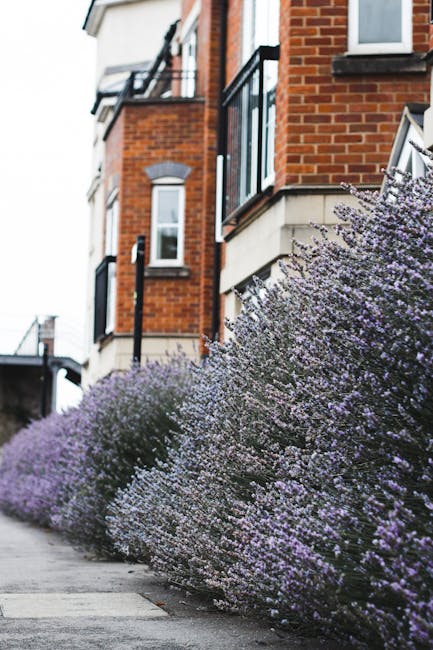
It also makes sense if you have already tried to do it yourself and keep falling behind. No judgement there. Front gardens can be deceptively fiddly. One missed month and suddenly the lavender is sprawling into the path and the hedge looks like it has opinions.
If you want to know more about the team behind the service, the about us page is a useful place to start. It can help you judge whether the approach feels local, grounded, and practical.
Step-by-Step Guidance
If you are choosing a gardener for a front garden near Pinner High Street, a step-by-step approach keeps things much easier. It stops you from hiring too quickly and helps you compare like with like.
- Define the problem. Is the issue overgrowth, poor design, patchy planting, or just regular maintenance that never quite happens?
- Look at the space honestly. Measure what you can. Note sun, shade, damp areas, narrow access, and any awkward spots near walls or railings.
- Decide the outcome you want. Neat and minimal? Seasonal colour? More privacy? Better curb appeal?
- Ask what the gardener actually does. Some offer maintenance only, while others can reshape, replant, and improve structure.
- Check how they manage waste and tidying. Front gardens need clean finish work. Bags, clippings, and debris should not be left behind. Obvious, but worth saying.
- Request a clear quote. Ask what is included, what may cost extra, and whether the work is one-off or recurring.
- Review safety and reliability. Look for sensible insurance, safe working practices, and clear communication.
- Start with a manageable scope. If you are unsure, begin with a tidy-up and assessment before committing to a full redesign.
A small example: a narrow front border with tired shrubs may not need complete replacement. Often, strategic pruning, mulching, and a few structure plants do more than a full dig-out. That is the kind of judgement you want from a gardener. Not dramatic for the sake of it. Just right.
If payment and administration are part of your decision, you can also review payment and security information so there are no surprises later.
Expert Tips for Better Results
After enough garden visits, a few patterns become obvious. The gardens that stay smart are not always the ones with the most money spent on them. They are the ones with clear decisions and steady care. A few expert tips make a noticeable difference.
- Choose structure first. Evergreen shrubs, clipped shapes, and simple edging give a front garden backbone through the year.
- Do not overcrowd the bed. Small spaces become messy fast if every plant is competing for attention.
- Match plants to conditions. If the front is shaded, forcing sun-loving plants there is usually a short-lived romance.
- Keep the entrance line clean. The edge between garden and path should look intentional, not wandered into.
- Use mulch properly. It helps suppress weeds and makes beds look finished, but it should not be piled too close to stems.
- Plan for the view from the street. What looks fine from inside the house may feel unbalanced from outside.
One small but valuable tip: stand across the street and look at the frontage in daylight, then again in the early evening if you can. You will notice different things. A plant that vanishes in shadow, a path edge that feels too busy, a border that needs one more evergreen element. It is a bit old-school, but it works.
If sustainability matters to you, have a look at the company's recycling and sustainability approach. Many homeowners now prefer a garden routine that reduces waste rather than creates it.
Common Mistakes to Avoid
Front gardens are often let down by a few very common mistakes. Nothing exotic. Just avoidable stuff that builds up.
- Choosing style over practicality: A beautiful plant is not much help if it becomes too large for the space.
- Skipping regular maintenance: Small front gardens can go from neat to untidy surprisingly quickly.
- Over-pruning: Cutting back too hard can leave shrubs stressed or bare.
- Ignoring drainage: Waterlogged soil can kill plants or make beds unpleasant to work in.
- Using too many species: A cluttered mix can look messy rather than rich.
- Forgetting visibility from the street: What is attractive up close may disappear from the pavement.
- Not checking access: Narrow paths, parked cars, and bins can all affect what work is realistic.
Another mistake? Assuming every gardener works the same way. They do not. Some are brilliant at upkeep but not design. Some can redesign a space beautifully but are less suited to monthly maintenance. Ask directly. Saves everyone time, honestly.
Tools, Resources and Recommendations
You do not need to become a gardening expert to make better decisions, but it helps to understand the basic toolkit and service types a gardener may use. That makes quotes easier to compare and reduces the chance of paying for work you do not need.
| Service or Tool | What It Helps With | Best For |
|---|---|---|
| Hand pruners and loppers | Shaping shrubs and removing dead or weak growth | Small to medium front gardens where precision matters |
| Hedge tools | Keeping borders and boundary planting neat | Street-facing hedges and tidy edges |
| Mulch | Reducing weeds and improving the look of beds | Low-maintenance planting schemes |
| Soil improvers | Helping plants establish better in tired beds | Dry, compacted, or poor-quality soil |
| Regular maintenance visits | Stopping growth from running ahead of you | Busy homeowners and visible frontages |
As a practical matter, a good gardener should explain the difference between a tidy-up and a longer-term improvement plan. If everything is framed as a major job, be cautious. Sometimes the front garden just needs seasonal care, not a full redesign with bells on.
For a straightforward view of what a professional service should cover, the services overview is useful. It helps you see the bigger picture before you commit to anything.
Law, Compliance, Standards, or Best Practice
Front garden work in the UK is usually straightforward, but it still needs sensible standards. Good gardeners should work safely, respect neighbouring property, and avoid careless damage to paths, walls, fencing, drains, or planted boundaries. If any waste is removed, it should be handled responsibly. If tools are used on site, they should be used with care and appropriate attention to risk.
For homeowners, the biggest compliance issue is usually not a complicated legal one. It is practical responsibility. Make sure the work is carried out by someone who understands safe methods, public-facing spaces, and clean finish standards. In a location like Pinner High Street, that matters because the front garden is often very visible and sometimes close to pedestrians, parked cars, or shared access points.
It is also reasonable to ask about insurance and general safety practice. You are not being fussy. You are being sensible. A professional should be happy to talk about it. You can review insurance and safety information and, where relevant, the health and safety policy to understand the standards being followed.
One more practical point: if a gardener collects or handles any personal information for quotes, scheduling, or invoices, it is fair to expect clear handling of that data. The relevant site documents, such as the privacy policy and terms and conditions, help set those expectations. Nothing flashy, just good practice.
Options, Methods, or Comparison Table
Not every front garden needs the same kind of service. In fact, choosing the wrong type of help is one of the easiest ways to waste money. Here is a simple comparison to make the decision clearer.
| Approach | Best For | Pros | Watch Outs |
|---|---|---|---|
| One-off tidy-up | Overgrown or neglected front gardens | Fast improvement, immediate visual impact | Needs follow-up to stay neat |
| Regular maintenance | Homes that want a consistently smart frontage | Reliable, lower stress, easier to budget | Less dramatic change at first |
| Partial redesign | Front gardens with poor layout or tired planting | Better structure and longer-term value | Needs planning and a clearer brief |
| Full redesign | Severely awkward or dated spaces | Complete reset, tailored outcome | More expensive and more disruptive |
For many households, regular maintenance is the sweet spot. It is not the most exciting option, but it keeps the property looking cared for without turning every season into a rescue mission. Sometimes boring is brilliant. A bit dull, but brilliant.
Case Study or Real-World Example
Here is a realistic example from the kind of work front gardens often need. A homeowner near Pinner High Street had a narrow front plot with a small lawn, a tired shrub bed, and a path that was starting to feel hemmed in. The garden was not severely neglected, just a little tired and unruly around the edges. The owner wanted it to feel welcoming without becoming high maintenance.
The first step was to clear dead growth, reshape the shrubs, and remove the plants that were crowding the entry line. The second step was to simplify the bed with a few stronger structure plants and a cleaner mulch finish. Edges were sharpened, the path cleared properly, and the overall look became more open. Not radical. Just cleaner, better proportioned, and easier to live with.
What changed most was not the number of plants. It was the sense of space. The frontage no longer felt apologetic. It looked intentional. That is often the quiet goal with front gardens: not to shout, but to look sure of itself.
If you are ready to talk through your own frontage, the best next move is to contact the team and explain what you want changed, what you want to keep, and how much maintenance you are comfortable with.
Practical Checklist
Use this checklist before booking work. It keeps the decision grounded and helps you ask better questions.
- Is the main problem maintenance, layout, planting, or all three?
- Do you want a one-off tidy-up or ongoing support?
- Have you looked at how much sun and shade the frontage gets?
- Are paths, steps, and entrances clearly safe and unobstructed?
- Do you have a preferred style: formal, natural, evergreen, seasonal, or low maintenance?
- Has the gardener explained what is included in the quote?
- Do you know whether waste removal is included?
- Are insurance, safety, and working practices clear enough for you?
- Do the suggested plants match the site rather than just the look?
- Are you comfortable with the communication and follow-up plan?
Quick summary: the best front garden gardeners are calm, clear, tidy, and realistic. They listen first, recommend sensibly, and leave the space looking better than they found it. That is the standard, really.
Conclusion
Choosing the best gardeners for Pinner High Street front gardens is mostly about fit. The right gardener understands small visible spaces, knows how to balance appearance with maintenance, and can turn an awkward frontage into something neat, welcoming, and manageable. You are not just buying plant care. You are buying judgement, consistency, and attention to the little details that people notice from the pavement.
Start with the outcome you want, ask for a clear explanation of what will be done, and choose a service that feels grounded and sensible rather than overpromising. In a front garden, small improvements often make the biggest difference. A tidy edge, a better-shaped shrub, a better planting choice - that sort of thing. Quiet wins.
Get a free quote today and see how much you can save.
And if you want a more complete picture of the business before deciding, the about page and service details are a good place to continue. Sometimes the right decision is simply the one that makes the front of your home feel like home again.
Frequently Asked Questions
What makes a gardener good for a front garden rather than a back garden?
A good front garden gardener understands presentation, balance, and neat finishing. Front gardens are more visible, so edges, structure, and plant choice matter more than in a hidden rear space.
How often should a front garden near Pinner High Street be maintained?
It depends on the planting and exposure, but many front gardens benefit from regular seasonal visits or light monthly maintenance. Fast-growing hedges and shrubs usually need more attention.
Can a small front garden still look impressive without much upkeep?
Yes. In fact, small gardens often respond well to simple structure, evergreen planting, and clean edging. The trick is not to overfill the space.
What should I ask before hiring a gardener?
Ask what is included, whether waste removal is part of the service, how often they recommend visits, and whether they have suitable insurance and safe working practices.
Is a one-off tidy-up enough for an overgrown frontage?
Sometimes it is a good start, especially if the space has been neglected. But if you want the result to last, a follow-up maintenance plan is usually the smarter choice.
How do I know if the quote is fair?
A fair quote should clearly explain the work, the time involved, any waste handling, and whether the job is a tidy-up, maintenance visit, or more detailed redesign. Vague quotes are harder to trust.
What are the best plants for a front garden in a busy street setting?
Usually the best plants are those that suit the light, stay in proportion, and keep some structure through the year. A gardener should recommend plants based on your actual site conditions.
Can a gardener help with low-maintenance design?
Yes. A good gardener can often reduce future work by simplifying planting, improving borders, and choosing durable plants that do not need constant fussing.
Do front garden gardeners need to follow safety standards?
They should. Good practice includes safe use of tools, tidy working methods, and care around paths, entrances, and neighbouring spaces. If you want reassurance, ask directly about insurance and safety.
What if I only need help with the front border, not the whole garden?
That is completely normal. Many people only need help with a small part of the frontage. A focused job can still make a big difference.
How do I choose between maintenance and redesign?
If the garden is basically fine but messy, maintenance may be enough. If the layout is awkward or the planting no longer works, redesign might be the better long-term option.
What is the simplest way to get started?
Start with a conversation, explain what frustrates you about the garden, and ask for a clear plan. If you are unsure, a small tidy-up and assessment is often the safest first step.