Recycling and Sustainability for Gardening Pinner
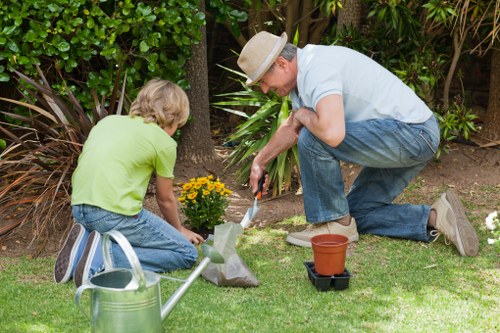
Welcome to Gardening Pinner’s dedicated page on recycling and sustainability for green spaces. Our focus is on creating an eco-friendly waste disposal area and a resilient, sustainable rubbish gardening area that keeps garden materials circulating in a local circular economy. This page outlines our targets, local infrastructure, and how we work with partners to reduce carbon and landfill.Our community-led ambition sets a clear recycling percentage target: we aim to reach 65% recycling of garden and household organics by 2028, rising toward 70% by 2032. That target covers garden waste, food scraps, green packaging and reusable garden equipment. Achieving this relies on better separation at source, improved collection routes and expanded reuse channels across boroughs.
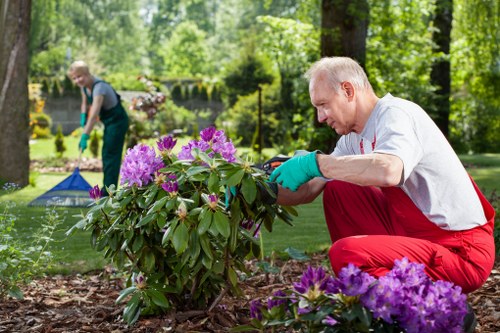 The borough approach to waste separation underpins our plans: a practical three-bin system (recyclables, residual refuse, and green/food waste) with optional glass and mixed recycling points in local hubs. Garden composting and community green waste sites are core to a low-impact model that treats garden waste as a resource, not rubbish.
Low-carbon logistics and local transfer stations
We prioritise low-emission collection with a fleet upgrade to low-carbon vans and electric-assisted trailers to service narrow drives and green spaces. Route optimisation and consolidated pick-ups reduce vehicle miles. Collected green waste and recyclables are taken to nearby transfer stations to minimise haul distances and support local processing.Local transfer stations act as crucial nodes in the eco-friendly waste disposal area: they sort, bale and pass on materials to composting facilities or licensed recyclers. Our partnerships ensure that glass, paper, card, mixed plastics, and garden organics are routed to the right processing stream rather than sent to landfill.
Charity partnerships and reuse networks
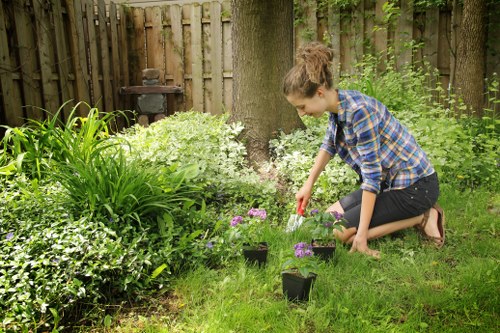
We work with community charities and reuse organisations to divert usable garden items—tools, planters, timber and soil amendments—into second-life use. This collaborative reuse reduces demand for new products and supports local social value programmes. Strong charity partnerships also facilitate redistribution of bulky items and materials for community horticulture projects.Our sustainable recycling programmes include community compost hubs, soil exchange events and on-street collection pilots for small-scale garden waste. Garden recycling isn’t limited to leaves and prunings: it includes woody biomass, small branches for chipping, and clean turf for remediation. We develop clear sorting guidance that reflects the boroughs’ separate collection standards.
Key elements of our green waste strategy include:
- Local composting and municipal-scale digesters for food and garden organics.
- Tool libraries and reuse centres to keep usable equipment in circulation.
- Transfer station consolidation to reduce haul times and emissions.
 Supporting services such as bulk garden waste days, seasonal chipping, and community seed and mulch swaps amplify impact. These actions create a vibrant sustainable rubbish gardening area where materials are recovered locally, benefitting soil health and biodiversity while lowering the carbon footprint of waste handling.
Measurement and transparency are essential: we publish regular performance snapshots against our recycling percentage target and carbon intensity for collections. Data-driven adjustments (for example increasing low-emission vehicle deployment, or updating sorting guidance in line with borough policy) keep us on track.
We promote a set of easy behaviours to help reach targets—separating food scraps into caddies, keeping garden waste free of contaminants, and using community compost hubs. Garden waste recycling works best when households follow simple source-separation steps aligned with local authority rules.
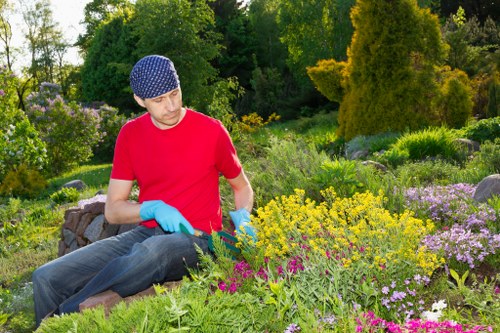 In conclusion, Gardening Pinner’s approach to eco-friendly waste disposal and a sustainable rubbish gardening area depends on coordinated logistics, low-carbon vans, local transfer stations and strong charity partnerships. By aiming for a clear recycling percentage target and expanding reuse networks, we turn garden waste into soil-building resources, reduce emissions and support local green projects. Join the movement by using the local collection services and separation systems your borough provides — together we can grow a truly sustainable gardening community.