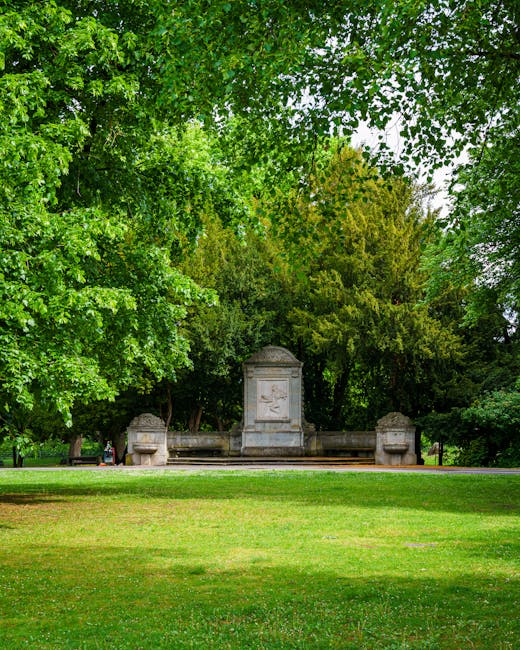
Insider tips for garden maintenance near Pinner Memorial Park
If you live near Pinner Memorial Park, you already know the garden has to work a little harder than it might elsewhere. Trees drop leaves, shaded borders stay damp longer than you expect, and front gardens can look tired fast after a run of wind, rain, and the odd warm spell. The good news? A few smart routines make a huge difference. These insider tips for garden maintenance near Pinner Memorial Park are designed to help you keep things neat, healthy, and genuinely pleasant to look at without spending every weekend with a rake in your hand.
In this guide, you'll find practical local advice, a step-by-step maintenance rhythm, common mistakes to avoid, and a realistic view of when to handle jobs yourself and when to bring in help. If you want a garden that feels tidy in early spring, resilient in summer, and not completely overwhelmed by autumn, you're in the right place.
Practical takeaway: gardens near parks often need slightly more frequent checks than enclosed suburban plots, especially for hedge growth, leaf build-up, lawn recovery, and damp-related plant stress. Small, regular jobs beat occasional big clear-ups almost every time.
For homeowners and landlords looking for broader support, our garden maintenance service and services overview can help you decide what belongs on your own list and what is better handled professionally.
Table of Contents
- Why Insider tips for garden maintenance near Pinner Memorial Park matters
- How it works
- Key benefits and practical advantages
- Who this is for and when it makes sense
- Step-by-step guidance
- Expert tips for better results
- Common mistakes to avoid
- Tools, resources and recommendations
- Law, compliance, standards, or best practice
- Options, methods, or comparison table
- Case study or real-world example
- Practical checklist
- Conclusion
- Frequently asked questions
Why Insider tips for garden maintenance near Pinner Memorial Park Matters
Gardens near Pinner Memorial Park tend to sit in a fairly active environment. There's more foot traffic, more seasonal debris, and often a mix of mature planting and newer garden layouts. That combination can be lovely, but it also means small issues become visible quickly. A patchy lawn, a hedge that's gone soft at the edges, or a border full of spent growth can make the whole property feel less cared for.
To be fair, most garden problems do not start dramatically. They creep in. One wet week becomes two. The lawn gets cut a little too short. The hedge is left until it suddenly looks like it has had its own opinions. And before you know it, maintenance has turned into a rescue mission.
This is why local knowledge matters. Near the park, you are often dealing with:
- slightly heavier leaf fall and airborne debris
- shadier spots that stay damp longer after rain
- faster hedge and shrub growth in sheltered corners
- soil compaction from repeated foot traffic or pets
- border weeds that thrive in neglected edges
The right maintenance rhythm helps you stay ahead of those issues rather than reacting to them. And if you prefer a managed approach, the team behind our company background explains how we work with local gardens in a practical, tidy, no-drama way.
How Insider tips for garden maintenance near Pinner Memorial Park Works
Good garden maintenance is not just mowing and hoping for the best. It works best as a layered routine. You look at the garden from the ground up: lawn, borders, hedges, trees, paths, edging, and hard landscaping. Each area has its own timing and its own warning signs.
In plain English, the process usually looks like this:
- Inspect the garden for overgrowth, pests, waterlogging, damage, and general clutter.
- Prioritise safety and access, especially where branches, slippery paths, or hidden debris could cause problems.
- Handle routine work first such as mowing, edging, weeding, and light pruning.
- Move to heavier tasks like hedge trimming, clearance, or small tree work if needed.
- Finish by improving recovery with feeding, watering, mulching, or soil care.
That sequence matters because it prevents wasted effort. For example, there is not much point in feeding a lawn before you've removed compacted moss and debris. Likewise, cutting a hedge before clearing the base can leave you with a tidy top and a messy bottom. Not ideal, honestly.
Professionally managed gardens usually follow a maintenance cycle rather than a one-off clean-up. That might involve scheduled mowing in growing months, periodic hedge work, seasonal clearance, and occasional landscape adjustments. If you need a more structured service, it can help to look at lawn mowing support, hedge trimming, or garden clearance depending on the state of the space.
Key Benefits and Practical Advantages
There's the obvious benefit of a nicer-looking garden. But the real value goes deeper than appearance. A consistent maintenance routine protects the structure of the garden itself.
- Healthier plants: regular pruning and tidying improves airflow and light, which many plants quietly depend on.
- Better lawn quality: grass usually responds better to light, consistent mowing than to long gaps followed by a brutal cut.
- Less weed pressure: edging and border care stop weeds from taking over the whole show.
- Safer outdoor spaces: fewer slippery patches, fewer trip hazards, fewer hidden surprises under leaves.
- Lower long-term effort: a little maintenance now often prevents a big, exhausting job later.
- Stronger property presentation: especially useful if you're planning to rent, sell, or simply want the house to feel looked after.
There's also a calmness to a maintained garden that people notice more than they admit. A trimmed hedge, a swept path, and a lawn with neat edges can make the whole home feel more settled. You feel it when you step outside at 7:30 on a damp morning; the place either looks in control, or it doesn't.
If you are comparing service approaches, take a look at the wider support available through landscaping and landscape gardening for improvements beyond routine upkeep.
Who This Is For and When It Makes Sense
This kind of maintenance is useful for more people than you might think. It is not just for large gardens or households with too much time on their hands.
You will benefit most if you are:
- a homeowner who wants the garden to stay under control all year
- a landlord keeping outdoor space presentable for tenants
- a busy family whose garden gets used but not always tended
- an older resident who prefers not to handle physically demanding work
- a property owner with mature hedges, trees, or mixed planting
- someone preparing for visitors, photos, or a sale
It also makes sense when seasonal change starts to show. For example, after a long wet spell, or when the first autumn leaves begin drifting in and collecting in corners, you can usually tell the garden is about to ask for more attention. That is the moment to act, not the moment to wait until it's a full-blown mess.
Some people only need one-off help after a period of neglect. Others need repeat support every few weeks. If you're unsure where you sit, the simplest route is to compare what you can do yourself with what would genuinely save time, energy, and possibly a strained back. We've all been there.
Step-by-Step Guidance
Here's a sensible maintenance flow for gardens near Pinner Memorial Park. It is simple, but it works.
1. Start with a quick walkthrough
Look for obvious problems: overgrown edges, dead leaves, broken stems, low branches, standing water, moss, weeds in paving, and any areas that feel cluttered. Try doing this after rain as well as in dry weather. Different problems show up differently. Damp grass can look fine until you realise it has started to compact and thin.
2. Clear the surface layer first
Remove leaves, twigs, grass clippings, old pots, and any garden waste sitting on the surface. This instantly improves the space and reveals what actually needs attention underneath. It also helps air circulate and reduces the risk of rot or fungal issues in beds.
3. Tackle the lawn
Mow only as much as the grass can handle. If growth has been uneven, take less off and repeat later rather than shaving it all back at once. Keep the blades sharp if you're doing it yourself. A blunt mower tears grass, and the lawn will show it. That slightly frayed look? Not a good sign.
4. Shape hedges and shrubs
Hedges near busy local routes or open park-facing spaces often grow unevenly because one side gets more light and wind exposure. Trim them to maintain shape, but avoid cutting too hard into old woody growth unless you know the plant will tolerate it. Gentle, regular trimming is usually better than a dramatic once-a-year chop.
5. Weed and edge properly
Weeds grow where the garden gets ignored: along borders, fence lines, paving joints, and the base of shrubs. Remove them before they seed. Then define edges with a proper cut or clean line. Good edging is one of those small things that quietly lifts everything else.
6. Check drainage and damp areas
Near shaded gardens, water can linger in corners, especially after a run of drizzle. Look for compacted soil, moss, or plants that never quite dry out. If water seems to sit in the same place repeatedly, that's a sign the area needs attention beyond simple tidying.
7. Finish with feeding, watering, and mulch
Once the garden is clean, you can see where a light feed or top dressing will help. Mulch is especially useful around shrubs and borders because it suppresses weeds and helps hold moisture. Just keep it away from stems and trunks. Small detail, but important.
Expert Tips for Better Results
Here are the little things that separate a decent garden from one that looks quietly professional.
Tip 1: Mow on the right schedule, not the calendar. In growth bursts, mowing by habit alone can leave the lawn too long one week and scalped the next. Check the grass before you cut.
Tip 2: Trim hedges little and often. Regular light trims hold shape better than infrequent heavy cuts. Also, the garden just looks less panicked.
Tip 3: Don't ignore the edges. Weed growth along edges and fence lines often signals the whole bed is slipping into low-maintenance mode. Edges tell the truth.
Tip 4: Keep tools clean. It sounds basic, but dirty tools spread disease and leave poor cuts. A ten-second wipe-down can save a plant weeks of stress.
Tip 5: Watch the garden after wind. Around the park, gusts can drop debris, bend stems, and push branch tips into awkward positions. A quick check after windy weather prevents small damage from becoming bigger damage.
Tip 6: Work in small sessions. Fifteen minutes every few days often beats one huge weekend session. You stay on top of things without the whole job becoming a half-day battle.
Tip 7: Make one area look finished. If time is tight, fully complete one section rather than spreading yourself thin across the whole garden. It gives a proper visual win. Strange how motivating that is.
For jobs involving awkward shrubs, high hedging, or larger structural changes, it may be more efficient to use hedge trimming or tree lopping and removal services rather than pushing through with the wrong tools.
Common Mistakes to Avoid
Most garden maintenance mistakes are understandable. People are busy, the weather changes fast, and it is easy to underestimate how quickly things grow. Still, a few errors crop up time and time again.
- Cutting too much at once: this stresses lawns, shrubs, and hedges.
- Leaving clippings in wet corners: they can mat down and create rot.
- Ignoring the soil: if the soil is compacted or poor, surface tidying only gets you so far.
- Using the wrong pruning approach: some plants recover well, others do not.
- Letting one season do all the damage: autumn and spring build-up can be managed if you keep an eye on it.
- Forgetting access points: paths, gates, and side returns matter because they affect both appearance and safety.
One of the biggest mistakes is treating maintenance as a punishment job. Once that mindset sets in, people leave it too long. Then the task gets harder, more expensive, and less cheerful. Truth be told, nobody enjoys a Saturday spent rescuing a border that could have been managed in ten-minute bursts.
If the issue is more than routine tidying, a proper reset may be needed. That is where garden clearance becomes far more useful than trying to nibble away at the problem piecemeal.
Tools, Resources and Recommendations
You do not need a shed full of specialist equipment to keep a garden near Pinner Memorial Park in good shape. A small, reliable kit is usually enough for routine work.
| Task | Useful tool | Why it helps |
|---|---|---|
| Lawn care | Sharp mower, edging tool, rake | Gives a cleaner finish and prevents patchy cutting |
| Hedge maintenance | Hand shears or hedge trimmer | Helps shape growth without ragged edges |
| Weed removal | Hand fork, hoe, stiff brush | Makes it easier to get weeds out properly |
| Leaf clearance | Rake, tarp, garden bags | Speeds up collection and disposal |
| Border care | Spade, secateurs, mulch fork | Useful for light tidying and soil refresh |
A few practical recommendations make life easier:
- Keep a dedicated bin or bag for green waste so it doesn't spread around the garden again.
- Use secateurs for small stems rather than forcing bigger tools onto delicate jobs.
- Choose gloves that actually fit. Too loose and they're annoying; too tight and, well, you stop wearing them.
- Store tools dry to reduce rust and make the next job easier.
If you prefer not to manage equipment at all, a maintenance visit can be the cleaner solution. Many people like the certainty of knowing the job will be done properly, especially if their schedule changes from week to week.
For areas involving hard landscaping, worn patios, or mixed outdoor surfaces, it may also be worth exploring decking services or landscaping if the garden needs more than basic upkeep.
Law, Compliance, Standards, or Best Practice
Garden maintenance is usually straightforward, but there are still sensible standards to follow. In the UK, good practice matters around waste handling, safe use of tools, and avoiding damage to neighbouring property. If branches overhang shared boundaries or work affects access routes, it is worth being careful and neighbourly. Common sense goes a long way here.
For larger jobs, especially where trees are involved, it is wise to check whether work could affect protected features, nesting wildlife, or shared responsibility boundaries. The exact obligations can vary depending on the property and the situation, so caution is better than guesswork. If you are unsure, don't force the issue on your own.
Health and safety also matters more than people think. Slips on wet paving, trip hazards from cuttings, awkward lifting, and power-tool use are all avoidable with a bit of planning. That is one reason professional teams should have clear processes. You can review our approach through the health and safety policy and insurance and safety information.
Good practice also includes responsible disposal of green waste and a preference for recycling where possible. If that matters to you - and it probably should - see our recycling and sustainability page for a clearer picture of how materials are handled.
Options, Methods, or Comparison Table
There is no single right way to maintain a garden. The best method depends on time, budget, and how much work the space actually needs.
| Approach | Best for | Pros | Trade-offs |
|---|---|---|---|
| DIY upkeep | Small, manageable gardens | Low direct cost, flexible timing | Takes time, needs equipment, easy to delay |
| Occasional help | Seasonal tidy-ups or reset jobs | Good for catching up fast | May not prevent build-up between visits |
| Regular professional maintenance | Busy households, larger plots, recurring growth | Consistent appearance, less stress, better long-term control | Requires budget and scheduling |
In practice, a mixed approach often works well. You might mow the lawn yourself but bring in support for hedge work, clearance, or seasonal refreshes. That is usually the sweet spot for many local homeowners. Simple, effective, not overly expensive in effort terms.
If you are comparing options and want to see what is included before deciding, the pricing and quotes page is the sensible place to start.
Case Study or Real-World Example
Here's a typical local scenario. A homeowner near Pinner Memorial Park notices the garden looking tired after a wet stretch followed by a burst of growth. The lawn has gone patchy, the hedge has pushed out unevenly, and a corner near the fence is full of leaves and old cuttings. Nothing dramatic, just a bit neglected.
They start with the obvious jobs: clear the debris, trim the hedge lightly, mow the lawn at a sensible height, and remove weeds from the border edges. Once the clutter is gone, two things become clear. First, the garden is healthier than it looked. Second, the worst-looking areas are actually just the ones that needed sequencing, not major reconstruction.
After that, they add a simple maintenance rhythm: quick checks every week or so, mowing when growth picks up, and a seasonal tidy when the weather turns. A month later, the garden looks calmer. Not perfect. Real gardens rarely are. But calm, ordered, and far easier to look after.
That is often the difference between maintenance and repair. Maintenance keeps the garden working. Repair is what happens after maintenance gets postponed too long. Small difference, big outcome.
Practical Checklist
Use this checklist to keep your garden near Pinner Memorial Park in good shape through the year:
- Walk the garden and spot problems before they spread
- Clear leaves, twigs, and loose debris regularly
- Mow the lawn at the right height for the season
- Trim hedges lightly and often
- Remove weeds from borders, paths, and fence lines
- Check shaded or damp areas for moss and poor drainage
- Refresh mulch where beds need protection
- Keep tools clean and sharp
- Dispose of green waste responsibly
- Book extra help when the job becomes too large or too awkward
Simple rule of thumb: if a task keeps getting postponed, it is probably the task that deserves attention first.
Conclusion
Garden maintenance near Pinner Memorial Park works best when you stay a step ahead of growth, debris, and seasonal change. A neat lawn, trimmed hedges, tidy borders, and clear paths do more than improve appearance. They make the whole property feel easier to live with. More settled. Less noisy, in a visual sense.
The real insider tip is not a secret product or a miracle shortcut. It is consistency. Small checks. Light, regular work. Knowing when to stop pushing a task and let a professional team take over. That approach saves time, protects the garden, and usually makes the end result look far better than a rushed weekend overhaul.
If you want reliable support for routine upkeep, larger clearances, or a more structured garden care plan, explore our garden maintenance options and related services overview. A well-kept garden is never just about looks; it's about making outdoor space feel quietly easy to enjoy.
Get a free quote today and see how much you can save.
Frequently Asked Questions
How often should I maintain a garden near Pinner Memorial Park?
It depends on the size and planting, but most gardens benefit from light weekly or fortnightly attention during growing months, plus seasonal tidying. The trick is not letting jobs stack up.
What are the most important garden maintenance tasks?
Lawn care, hedge trimming, weeding, leaf clearance, and keeping borders tidy are the big ones. If those are under control, the garden usually feels much more manageable.
Is DIY maintenance enough for a typical home garden?
For smaller and simpler gardens, yes, often it is. But if you have mature hedges, heavy leaf fall, awkward access, or a busy schedule, occasional professional help can save a lot of hassle.
When is the best time to trim hedges?
Usually during active growth periods, but the right timing depends on the hedge type and how hard it has grown. Light, regular trimming is generally safer than severe cutting after long gaps.
Can overgrown gardens be recovered?
Absolutely. In many cases, a staged clearance and maintenance plan works better than trying to do everything in one go. Some gardens just need a reset, not a rebuild.
What should I do with garden waste?
Separate it from general rubbish where possible and dispose of it responsibly. If the amount is large, a proper clearance service can be the easiest route.
Why does my lawn look worse after mowing?
Common reasons include cutting too short, using blunt blades, or mowing when the grass is too wet. A lawn usually looks better with a calmer, more measured cut.
Do I need professional help for tree work?
If branches are high, heavy, near boundaries, or simply beyond safe reach, yes, it is usually better to seek professional support. Tree work is one of those jobs that feels smaller than it really is.
How can I keep maintenance costs under control?
Stay consistent. Small recurring jobs are usually cheaper and easier than letting the garden deteriorate and then paying for a major catch-up.
What makes a local garden maintenance service worth it?
Reliability, good communication, safe working practices, and a tidy finish. You want someone who leaves the garden looking calmer, not just cut back.
What if I only need help once or twice a year?
That is completely normal. Many people book seasonal clearance or a one-off reset before spring or autumn. It is a sensible way to keep control without overcommitting.
How do I know when my garden needs more than maintenance?
If there is a mix of overgrowth, poor layout, tired surfaces, or persistent drainage issues, maintenance alone may not be enough. At that point, landscaping or a more involved improvement plan may be the better option.