Pinner Village front garden gardeners for heritage homes
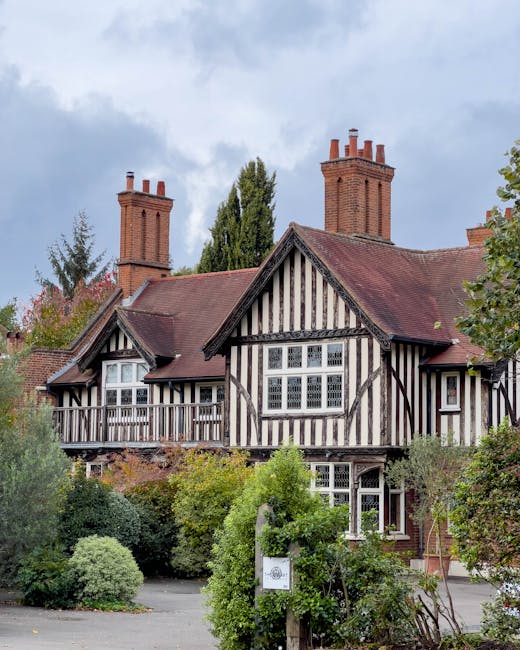
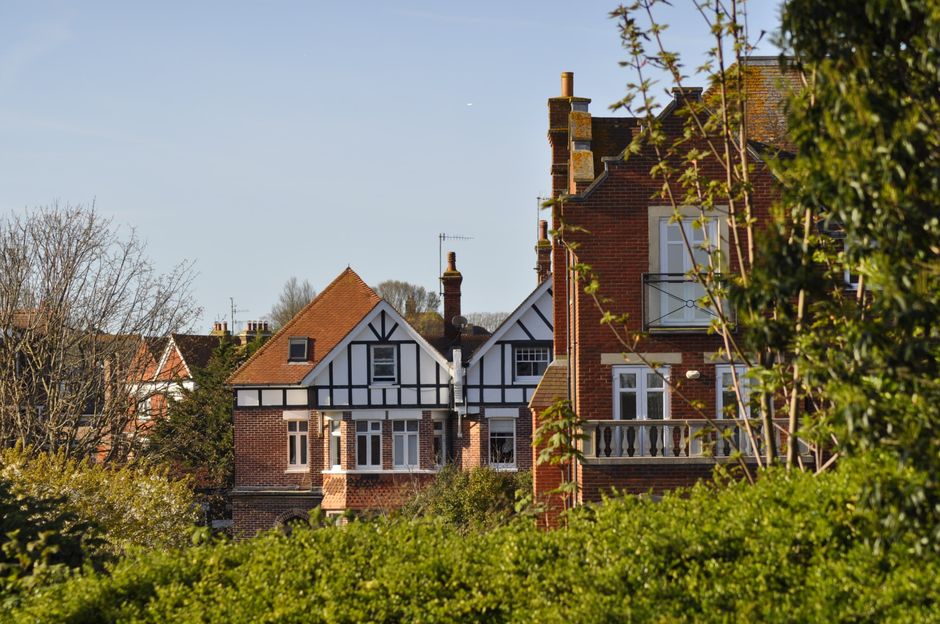
If you own a period property in Pinner Village, you already know the front garden is doing a lot of work. It frames the house, sets the tone before anyone reaches the door, and quietly tells the story of the home's age and character. Choosing the right Pinner Village front garden gardeners for heritage homes is not just about making things look neat. It is about respecting original features, working with the style of the property, and keeping the garden looking cared for without stripping away its charm.
That balance can be tricky. A clipped hedge can look crisp one week and slightly too severe the next. A gravel path may suit the house beautifully, but only if the planting and edging are handled with a bit of restraint. In heritage settings, small decisions matter more than people think. This guide walks through what specialist front garden care involves, why it matters in Pinner Village, and how to choose an approach that feels natural, practical, and true to the home.
- Why it matters in a heritage setting
- How front garden care works
- Benefits and practical advantages
- Who needs this service
- Step-by-step guidance
- Expert tips
- Common mistakes to avoid
- Tools, resources and recommendations
- Best practice and compliance
- Options and comparison
- Real-world example
- Practical checklist
- Conclusion
- Frequently asked questions
Why Pinner Village front garden gardeners for heritage homes Matters
Front gardens in heritage areas are different from standard suburban plots. They are part of the streetscape, and in places like Pinner Village, that streetscape has a definite personality. You tend to see mature boundary planting, front lawns, brick paths, traditional planting schemes, and house fronts that really benefit from a softer, more sympathetic style of maintenance. Get it right, and the whole property feels settled. Get it wrong, and the house can lose its balance quickly.
Heritage homes often have features that should be treated carefully: old brickwork, stone detailing, original railings, sash windows, tiled thresholds, or narrow front approaches. A gardener working on these properties needs to think beyond routine tidying. They need to understand proportion, seasonality, and the visual weight of planting. Too much height, for example, can hide a lovely frontage. Too little structure can make the home look a bit stranded. A good eye matters. A lot.
There is also a practical side. Many older homes have compact front gardens, awkward access, or established plants that have been there for years. These gardens can become cluttered with self-seeded growth, overgrown shrubs, patchy turf, or tired edging. Specialist front garden maintenance brings order without bulldozing the character away. That is the point, really.
Expert summary: The best front garden care for heritage homes is not about forcing a modern look onto an old property. It is about preserving character, improving day-to-day upkeep, and making the front of the home feel intentional, welcoming, and in keeping with the building.
If you are comparing services, it helps to look at the wider offering too. A provider with a broader services overview is often better placed to handle everything from tidy seasonal work to more considered garden shaping. That matters when the front garden is only one part of the picture.
How Pinner Village front garden gardeners for heritage homes Works
In practical terms, front garden care for a heritage property usually starts with a walk-through and a quick visual assessment. What is the structure of the garden? What needs trimming? What should be kept? What should be left alone? That last question is more important than people expect. Some planting is doing exactly the job it should, even if it looks a little untidy at first glance.
A proper approach normally includes a few key stages:
- Assess the layout and style - The gardener looks at the house frontage, path lines, boundary treatments, and existing planting.
- Identify what supports the property's character - Mature shrubs, clipped forms, classic hedging, and seasonal planting often need gentle rather than heavy-handed treatment.
- Agree on priorities - This might be tidying, pruning, lawn care, weed control, hedge shaping, leaf clearance, or restoring neat edges.
- Carry out the work in the right order - For example, hedge trimming before detailed bed work, or lawn mowing after debris has been removed.
- Finish with detail work - Edges, visible debris, and the final line of sight from the pavement or road all matter.
For heritage homes, the finish is often where the difference shows. A garden can be technically tidy but still look wrong if the proportions are off. The eye is drawn immediately to the front boundary, the approach to the door, and any feature planting near the windows. Small corrections there can make the entire property look better cared for.
On the maintenance side, many homeowners prefer a routine service rather than one-off rescue jobs. Regular care can stop small issues becoming bigger and much more expensive to fix later. If the garden tends to get away from you between busy weeks, recurring garden maintenance is often the most sensible route. Truth be told, gardens rarely improve by ignoring them for a month or two.
Key Benefits and Practical Advantages
The most obvious benefit is appearance. A front garden that is tidy, balanced, and sympathetic to the house instantly lifts kerb appeal. But there are more practical benefits too, especially with older homes that need a light touch.
- Preserves period character: Careful pruning and planting choices protect the look of the house instead of competing with it.
- Improves street presence: A well-kept front garden makes the property feel respected and lived in, without looking overdone.
- Reduces future repair work: Regular attention prevents shrubs from damaging walls, paths, or railings.
- Makes access easier: Clear paths, tidy edges, and controlled growth make everyday movement simpler.
- Supports healthier planting: Plants that are thinned, shaped, and maintained correctly usually do better over time.
- Helps avoid rushed seasonal damage: If a hedge suddenly blocks light or a border becomes overrun, the garden can quickly lose structure.
There is also a psychological advantage that people often mention quietly. When the front garden looks cared for, the whole home feels calmer. It sounds small, but after a long day, stepping through a neat front approach with clipped greenery and clean edges can be genuinely uplifting. That little moment matters.
If the garden includes a hedge that defines the frontage, regular shaping can be a big part of that curb appeal. In many heritage settings, a precise but gentle finish works best. If that sounds familiar, a specialist hedge trimming service can help keep the line clean without making the garden look severe.
Who This Is For and When It Makes Sense
This kind of service is especially useful if you own, rent, or manage a period property where the front garden contributes noticeably to the home's appearance. That includes Victorian terraces, Edwardian houses, cottage-style homes, and older detached or semi-detached properties with original or sensitive frontage features.
It makes particular sense if:
- the garden is visible from the road and needs to look presentable all year
- you have mature planting that is starting to feel unruly
- the house has architectural features that should remain visible
- you want a more traditional or understated planting style
- you do not have time to manage clipping, edging, weeding, or seasonal pruning yourself
- you are preparing the property for sale, letting, or a special event
In our experience, homeowners often wait until the garden is slightly beyond easy management before calling someone in. That is understandable. Life happens. But heritage gardens respond well to steady care rather than dramatic intervention. If you are not sure whether you need a one-off tidy or a longer-term plan, start by looking at the season, the growth rate, and how the frontage reads from the pavement. If the answer is "a bit overgrown and a bit tired," you are probably not alone.
For more substantial work, especially where the front garden needs resetting rather than just trimming, it may be worth looking at a broader landscape gardening approach. That can be useful when borders, pathways, and planting all need to work together again.
Step-by-Step Guidance
If you want a front garden to look right on a heritage home, the process is usually straightforward, but it helps to be methodical. A rushed cut here and a random plant there can make a good garden look oddly disconnected. Better to work in sequence.
- Look at the house first. Stand across the road if possible. What do you notice? Height, symmetry, colour, boundary lines, path shape. The garden should support the house, not distract from it.
- Clear obvious clutter. Remove dead leaves, broken stems, weeds, and any objects that make the frontage feel cramped. This alone can make a surprising difference.
- Check the structural plants. Decide what needs shaping, what should be reduced, and what should be removed. On older properties, less is often more.
- Deal with hedges and edges. Straight lines and neat transitions between lawn, path, and border are especially important in front gardens. This is where the eye notices care or neglect.
- Refresh the soil and mulch if needed. A light top-up can improve moisture retention and help beds look cleaner. Keep materials in keeping with the home.
- Review lawn condition. A small front lawn can make the frontage feel elegant, but only if it is regularly cut and edged. If the lawn is patchy, decide whether repair or simplification makes more sense.
- Step back and edit. This is the bit many people skip. Step away, come back, and see whether anything feels too crowded, too bare, or too bright.
For practical upkeep, routine mowing and edging are the easiest wins. If your front lawn is part of the visual frame, a tidy cut can lift the whole property in under an hour. A regular lawn mowing schedule is often the simplest way to keep that neat, heritage-friendly finish.
And yes, there is a bit of judgement involved. Gardening is not all rules and measurements. Sometimes you look at a shrub and think, "Not today, you're staying put." That instinct is often right.
Expert Tips for Better Results
There are a few habits that consistently produce better results in heritage front gardens. Nothing flashy. Just sensible practice that respects the property.
- Keep planting layered, not crowded. A mix of heights can work beautifully, but the layers should still feel open and breathable.
- Use restraint with colour. A few well-chosen plants often look more elegant than a jumble of bright additions.
- Protect sightlines to the front door. In heritage homes, the approach matters. You want the entrance to feel inviting, not hidden.
- Trim at the right time. Too early, and you can damage new growth; too late, and the garden can become heavy and shapeless.
- Keep materials sympathetic. Where possible, choose finishes that suit the property's age and style rather than imposing a modern look.
- Think about the view from indoors. The garden should look good from the pavement and from the front windows. That little indoor view on a rainy morning? It counts.
If there are trees near the frontage, monitor them carefully. Overhanging branches can interrupt light, shed debris, and unbalance the appearance of the garden. Where appropriate, specialist work such as tree lopping and removal may be part of keeping the front garden safe and manageable. That should always be considered carefully, especially with established trees.
One more thing: don't feel pressured to make everything look new. Older homes often look best when the garden appears mature, settled, and softly maintained rather than freshly redesigned every season.
Common Mistakes to Avoid
Front gardens attached to heritage homes are easy to overdo. Most problems come from trying to make them look "done" in the wrong way.
- Cutting everything back too hard. Harsh pruning can strip character and leave the frontage looking exposed.
- Ignoring the scale of the house. Plants that suit a large plot can overwhelm a compact front garden, and the reverse is true as well.
- Using too many competing features. Busy borders, mixed edging, and decorative clutter can make the frontage feel noisy.
- Letting hedges grow without a clear line. The front garden needs shape, especially where it meets the path or pavement.
- Forgetting access and sightlines. A lovely planting scheme is not much use if the front door feels hidden or awkward to reach.
- Leaving maintenance until growth becomes unruly. Once the garden has gone too far, the remedy often takes longer and costs more.
A small but common mistake is treating the front garden like the back garden. They are not the same. The back garden can be more private, more relaxed, more experimental. The front garden needs discipline, just a bit, and a better sense of the street. That distinction saves a lot of regret later.
Tools, Resources and Recommendations
For regular care, the right tools make a noticeable difference. You do not need a van full of kit, but you do need tools that give clean cuts and neat finishes. Dull tools tear growth rather than shaping it, which is not ideal for shrubs or hedges that need careful handling.
| Tool or resource | Best used for | Why it helps heritage front gardens |
|---|---|---|
| Hand shears | Small shaping and detailed clipping | Gives a softer, more controlled finish than rough mechanical cuts |
| Precision secateurs | Deadheading and fine pruning | Useful for careful work around decorative planting and older shrubs |
| Edging tool | Defining lawns and borders | Creates the crisp lines that make a front garden look composed |
| Light rake | Leaf and debris collection | Helps keep paths and borders clean without disturbing delicate planting |
| Mulch or compost | Soil improvement and surface tidying | Can refresh beds while keeping the garden looking natural |
| Professional maintenance plan | Ongoing upkeep | Prevents seasonal decline and keeps the frontage consistent |
For larger jobs, especially when the whole front approach needs a reset, it can help to involve a service that handles general upkeep as well as one-off tidy work. If your garden has become a bit tangled after a busy winter, a careful garden clearance can create the clean starting point you need before finer detail work begins.
And if sustainability matters to you, ask how green waste is handled. Many homeowners now prefer low-waste, responsible disposal and reuse where possible. A service with clear information about recycling and sustainability is often a good sign that they think beyond the immediate job.
Law, Compliance, Standards, or Best Practice
Heritage garden care does not usually involve heavy regulation in the way building work might, but there are still sensible standards to follow. If the property is listed, within a conservation area, or subject to any local planning considerations, you should be especially careful about anything that changes the appearance of the frontage in a lasting way. That includes major tree work, hard landscaping changes, or significant boundary alterations.
For ordinary garden maintenance, best practice usually means being respectful of the property and cautious with anything that might affect neighbours, pavements, or shared boundaries. It also means checking access, waste handling, and safe working methods. A professional team should be able to explain how they manage risk, particularly where ladders, tools, uneven ground, or larger shrubs are involved.
Look for clear procedures around safety and insurance. That is not just paperwork. It tells you the work is being done thoughtfully. If you are comparing providers, it is sensible to review their insurance and safety information and, where relevant, their health and safety policy. Those pages should give you a better sense of how seriously they take the job.
Best practice also means being honest about what should be left alone. In heritage settings, not every old plant needs replacing, and not every uneven patch needs to be forced into a new scheme. Sometimes the right answer is careful maintenance rather than redesign. That can be a hard sell to people who like a dramatic transformation, but honestly, the garden usually knows better.
Options, Methods, or Comparison Table
There are several ways to approach front garden care for heritage homes. The best choice depends on how much work the garden needs, how much time you have, and whether you want light upkeep or a more substantial refresh.
| Approach | Best for | Pros | Potential drawback |
|---|---|---|---|
| Light regular maintenance | Front gardens already in decent condition | Affordable, easy to keep up, preserves the existing look | Won't fix deeper structural problems |
| Seasonal tidy-up | Gardens that drift out of shape during busy months | Fast improvement, good before events or property photos | Can slip back if not followed by ongoing care |
| Targeted pruning and shaping | Established shrubs, hedges, and boundary planting | Improves structure without major disruption | Needs good judgement to avoid overcutting |
| Full front garden reset | Overgrown or poorly balanced heritage frontage | Can restore coherence and improve first impressions | More time, planning, and cost involved |
For many homeowners, the best answer is a mix. A reset once, then lighter maintenance after that. It is a bit like getting a good haircut and then actually keeping up with the trims. Simple enough in theory, harder in real life, obviously.
If you are building a wider care plan, a service that covers landscaping alongside routine maintenance can be helpful where the front garden needs both visual improvement and practical tidying. That flexibility matters in older homes where one issue often leads into another.
Case Study or Real-World Example
Consider a typical Pinner Village frontage: a modest period house with a narrow front lawn, a low boundary hedge, two mature shrubs, and a path that has started to disappear under soft growth. Nothing disastrous. Just slightly neglected, the kind of garden that still has good bones but has lost its shape.
The first step would be to clear fallen leaves, remove any dead material, and define the path edge. Then the hedge would be lightly reduced and re-formed rather than cut back aggressively. The shrubs would be thinned just enough to show their shape and stop them crowding the front windows. The lawn would be mown, edged, and checked for bald patches. Finally, the whole frontage would be reviewed from the street to make sure the composition feels balanced.
The transformation would not necessarily be dramatic in the Hollywood sense. No fireworks. But the house would look more open, more elegant, and more deliberate. The windows breathe again. The path appears wider. The door feels like an entrance rather than a last-minute discovery. That is often the real goal with heritage frontage work.
In many cases, the most satisfying result is the one that looks as though nothing has been forced. The garden simply feels right. Quietly right. And that is often what heritage homes need most.
Practical Checklist
Use this checklist if you are planning work on a heritage front garden in Pinner Village.
- Have I looked at the house from the street before deciding what to change?
- Are the house's original features still visible and well framed?
- Do the hedge lines, borders, and lawn edges feel neat and proportionate?
- Is any planting blocking the entrance, windows, or main sightlines?
- Have I checked whether trees, hedges, or shrubs need careful specialist attention?
- Does the garden still suit the age and style of the property?
- Is there a clear plan for ongoing maintenance after the initial tidy-up?
- Have I considered waste removal, safety, and access arrangements?
- Would a light, traditional finish suit the frontage better than a bold redesign?
- Do I know which parts of the garden should be preserved rather than replaced?
If you can answer most of those with confidence, you are probably on the right track. If not, that is fine too. Most gardens need a little course correction now and then.
Conclusion
Pinner Village front garden gardeners for heritage homes need to do more than tidy borders and cut back hedges. They need to read the property, respect the building, and know when restraint is the better design choice. That is what keeps a front garden feeling appropriate rather than overworked. And frankly, that judgement is the real skill.
Whether your frontage needs a light seasonal refresh, a more considered maintenance plan, or a careful reset after months of growth, the best results come from small, sensible decisions made in the right order. Keep the house in view. Keep the lines clean. Keep the character.
If your front garden has started to feel a little tired, this is a good moment to bring it back into balance. A careful hand can make an old home feel loved again, and there is a quiet satisfaction in that.
Get a free quote today and see how much you can save.
Frequently Asked Questions
What makes front garden care different for heritage homes?
Heritage homes usually need a softer, more sympathetic approach. The aim is to preserve character, keep features visible, and avoid planting or pruning that overwhelms the property.
How often should a heritage front garden be maintained?
It depends on the planting and the season, but regular light maintenance is usually better than occasional heavy work. That keeps the frontage tidy and avoids major cut-backs later.
Can a front garden be improved without changing its style?
Yes. In many cases, simple measures like hedge shaping, edging, weeding, and selective pruning can transform the look without altering the garden's identity.
What should I avoid doing to a period front garden?
Avoid severe pruning, overcrowding the space with too many features, and replacing mature planting without a good reason. Heritage gardens usually look best when they breathe.
Do I need special permission to change my front garden?
Sometimes, yes, especially if the property is listed or in a conservation area. If you are making major changes to trees, boundaries, or hard landscaping, it is wise to check before starting.
Is hedge trimming enough for a heritage frontage?
Hedge trimming can help a lot, but it is often only one part of the job. Edging, pruning, lawn care, and seasonal tidy-ups usually all play a role.
What if my front garden is very overgrown?
A staged approach is usually best. Clear the debris first, then restore structure, then move into regular upkeep so the garden does not slip back again.
How do I keep a front garden looking tidy between visits?
Focus on the basics: remove dead leaves, keep the lawn cut, control weeds, and avoid letting one shrub dominate the whole frontage. Little and often works well.
Are native or traditional plants better for heritage homes?
Often they are, because they tend to suit the age and setting of the property more naturally. That said, the best choice depends on light, soil, and the look you want to preserve.
How do I know if I need garden clearance or routine maintenance?
If the space is cluttered, blocked, or difficult to manage, clearance may be needed first. If the garden is basically healthy but untidy, routine maintenance is probably enough.
Should the front garden match the back garden?
Not necessarily. The front garden has a different job. It presents the house to the street, so it often needs a more formal, restrained style than the back garden.
What is the best first step if I am unsure where to begin?
Start by standing at the pavement and looking at the whole frontage. That single view often tells you what needs attention most: height, shape, access, or balance. From there, it becomes much clearer.